
Linetronics in the UAE & Gulf.
Chemparts Middle East is the authorized regional distributor of Linetronics — process and laboratory electronics. We supply, install, calibrate and service Linetronics equipment across the UAE (Dubai, Abu Dhabi, Sharjah), Qatar and the wider Gulf, with genuine spares and full manufacturer warranty.

31 Linetronics products in stock.
Instruments, spares and consumables from Linetronics, held in the region. Pricing and lead-time on request.
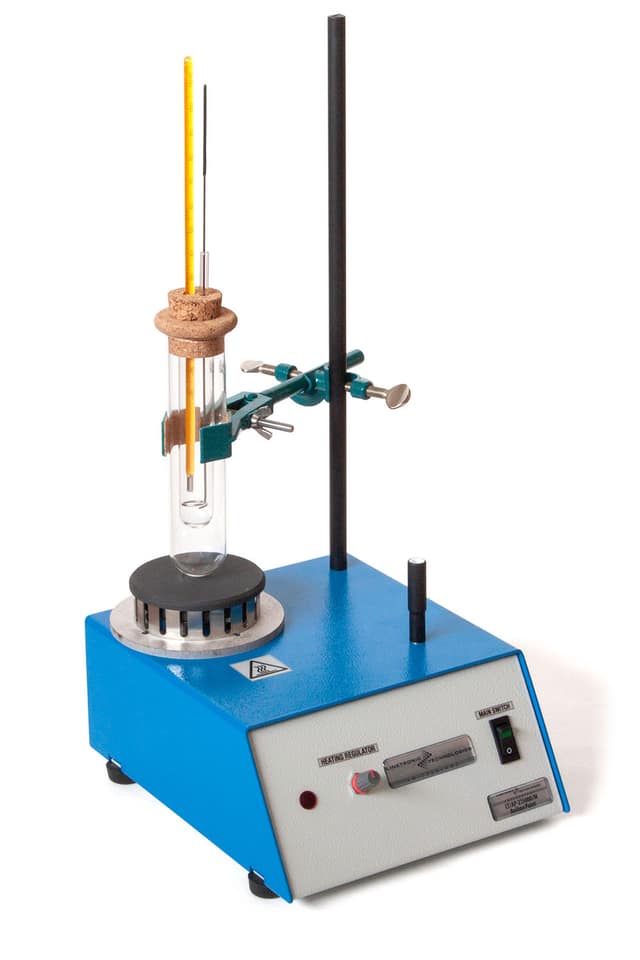
Aniline Point
Additional Instruments Aniline Bitumen Blends Calorimetry Centrifuge Cold Behaviours Colourimetry Corrosion Demulsibility and Foaming Densimetry Distillation Flash Point Gum - Rubber Hydrometers LPG Lubricating Greases and Oils Oxidation Penetration Residues Rust Sediments Sulfur Thermometers Vapour Pressure Viscosimetry Water Wax
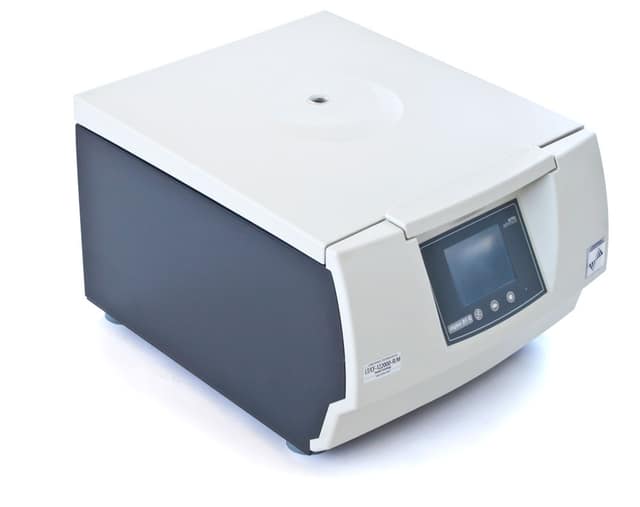
Centrifuge
Additional Instruments Aniline Bitumen Blends Calorimetry Centrifuge Cold Behaviours Colourimetry Corrosion Demulsibility and Foaming Densimetry Distillation Flash Point Gum - Rubber Hydrometers LPG Lubricating Greases and Oils Oxidation Penetration Residues Rust Sediments Sulfur Thermometers Vapour Pressure Viscosimetry Water Wax
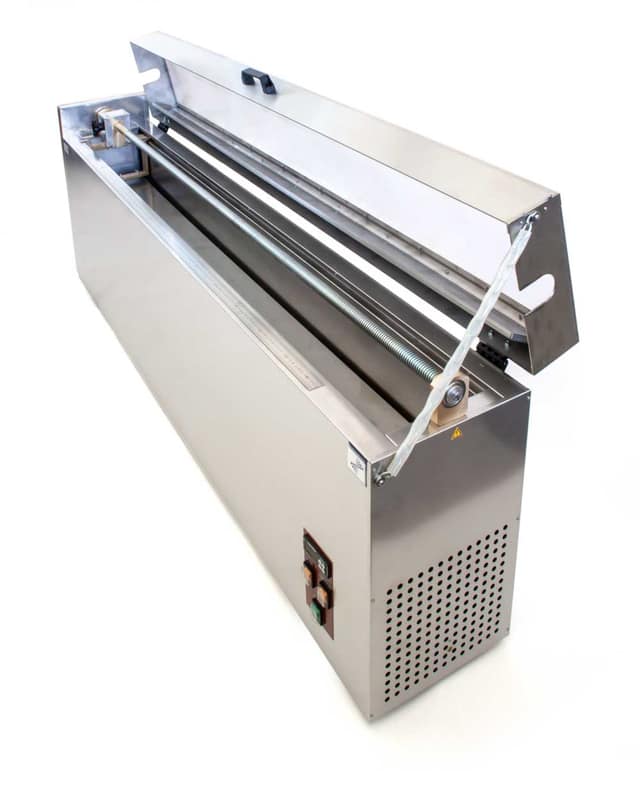
Ductilometer
Ductility of Bituminous Materials. The ductility of a bituminous material is measured by the distance to which it will elongate before breaking when two ends of a briquet specimen of the material are pulled apart at a specified speed and at a specified temperature. Unless otherwise specified, the test shall be made at a temperature of 77 0.9°F (25 0.5°C) and with a speed of 5 cm/min 5.0%. At other temperatures the speed should be specified.
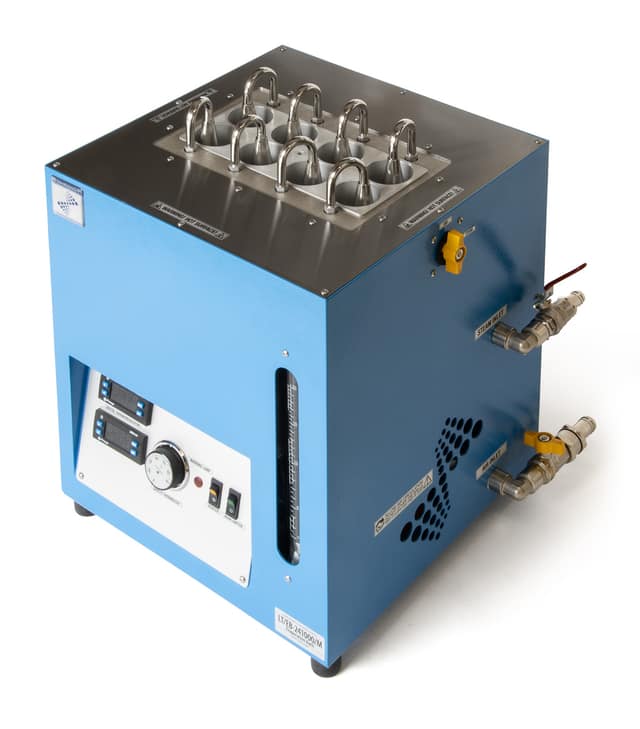
Evaporation Bath
Additional Instruments Aniline Bitumen Blends Calorimetry Centrifuge Cold Behaviours Colourimetry Corrosion Demulsibility and Foaming Densimetry Distillation Flash Point Gum - Rubber Hydrometers LPG Lubricating Greases and Oils Oxidation Penetration Residues Rust Sediments Sulfur Thermometers Vapour Pressure Viscosimetry Water Wax
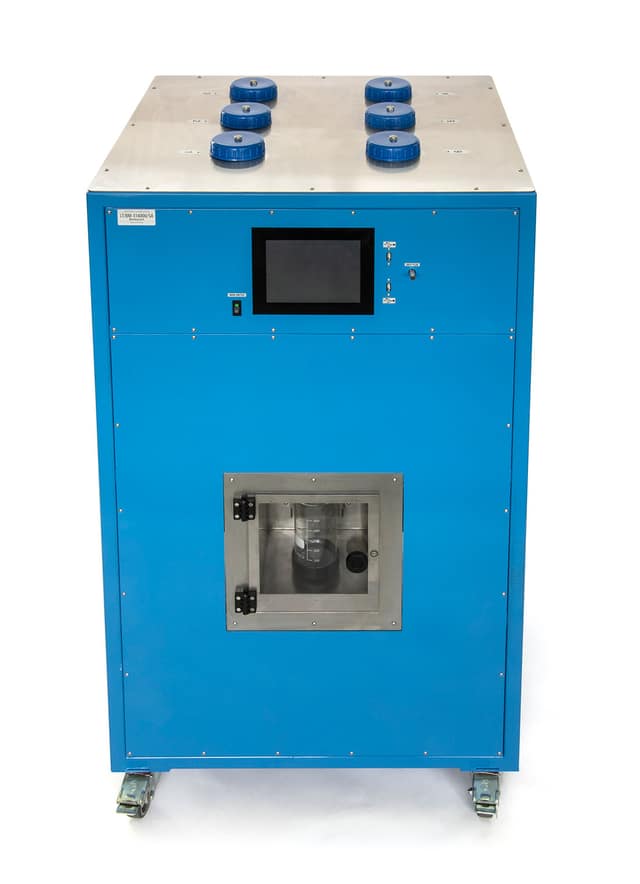
Fuel Blending
Additional Instruments Aniline Bitumen Blends Calorimetry Centrifuge Cold Behaviours Colourimetry Corrosion Demulsibility and Foaming Densimetry Distillation Flash Point Gum - Rubber Hydrometers LPG Lubricating Greases and Oils Oxidation Penetration Residues Rust Sediments Sulfur Thermometers Vapour Pressure Viscosimetry Water Wax
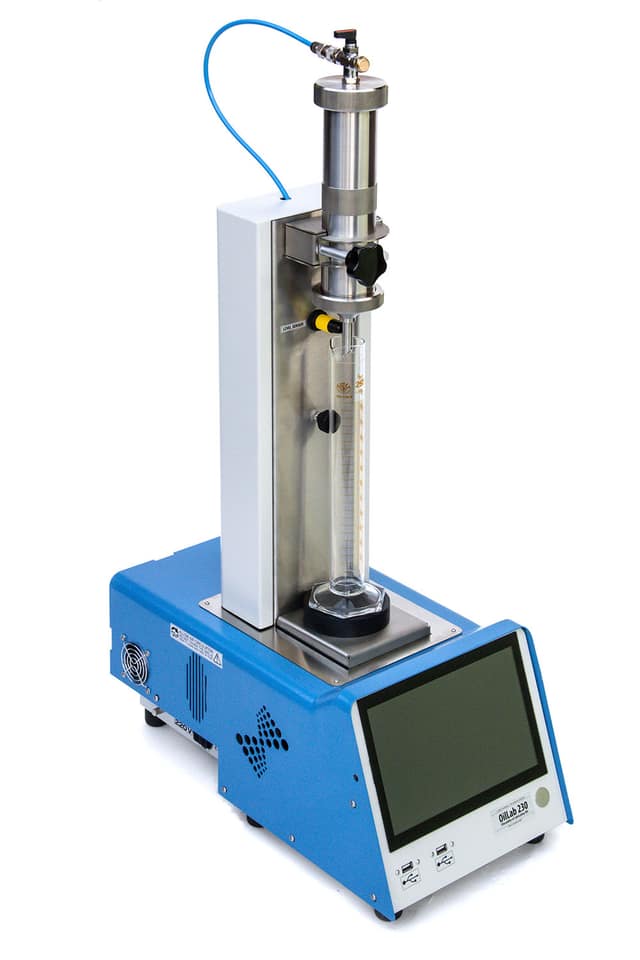
OilLab 230 Filterability of Lubricating Oils
Procedure for the evaluation of the filterability of lubricating oils, particularly those designed for hydraulic applications, in the presence of water. The procedure only applies to mineral-based oils, since fluids manufactured from other materials (e.g. fire-resistant fluids) may not be compatible with the specified test membranes.
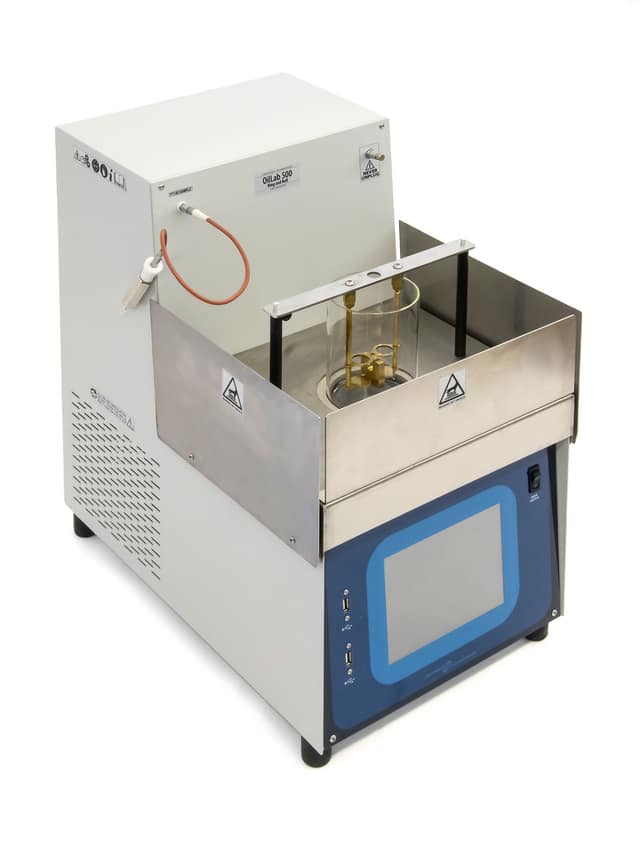
OilLab 500 - Ring and Ball
The sample is heated in a liquid bath respecting the heating rate prescribed by the standards test methods. During this procedure the product gradually become softer and when the test ball fall a distance of 25 mm the softening point is determined.
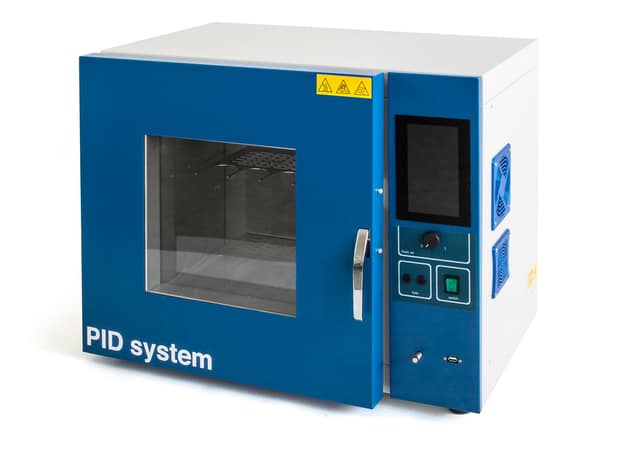
OilLab 510 - Foaming Tester
Foaming characteristics of lubricating oils: this test method covers the determination of the foaming characteristics of lubricating oils at 24°C and 93.5°C. Means of empirically rating the foaming tendency and the stability of the foam are described.
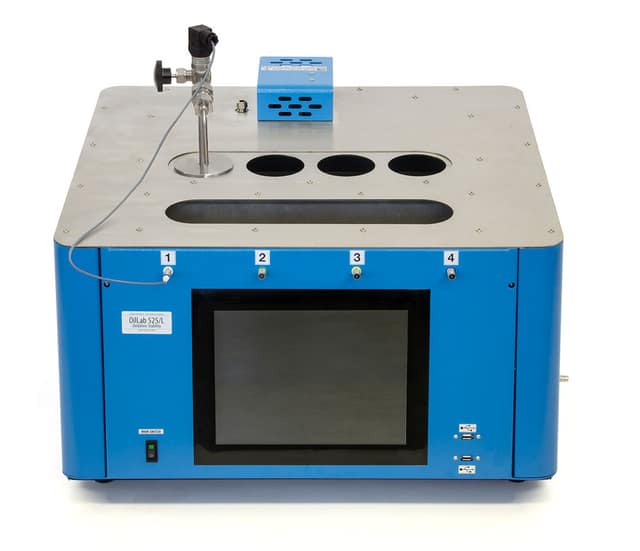
OilLab 525 Oxidation Stability of Gasoline and Aviation Fuels
ASTM D525 - IP 40 - EN ISO 7536 - Oxidation Stability of Gasoline (Induction Period Method) This test method covers the determination of the stability of gasoline in finished form only, under accelerated oxidation conditions.
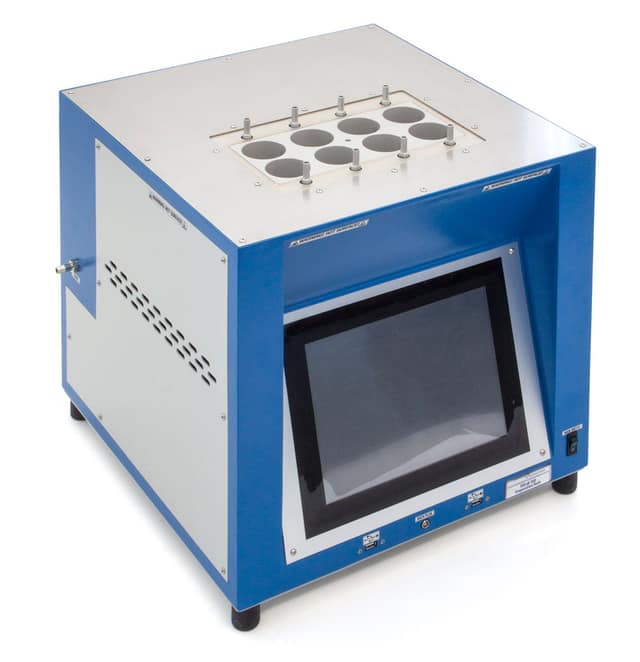
OilLab 560 - Evaporation Bath
Gum Content in Fuels by Jet Evaporation This test method covers the determination of the existent gum content of aviation fuels, and the gum content of motor gasolines or other volatile distillates in their finished form (including those containing alcohol and ether type oxygenates and deposit control additives) at the time of test.
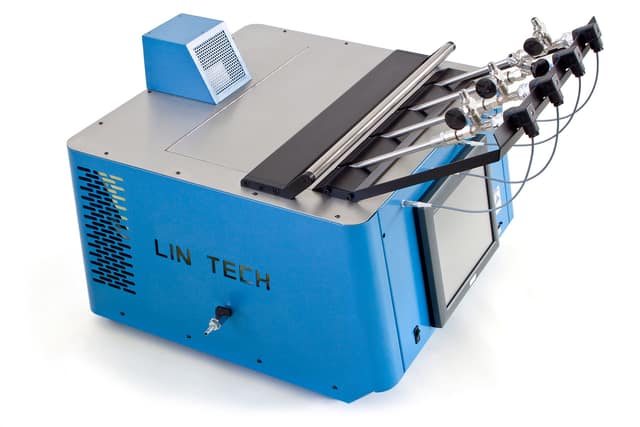
OilLab 570 Oxidation Stability by Pressure Vessel
Gum Content in Fuels by Jet Evaporation This test method covers the determination of the existent gum content of aviation fuels, and the gum content of motor gasolines or other volatile distillates in their finished form (including those containing alcohol and ether type oxygenates and deposit control additives) at the time of test.
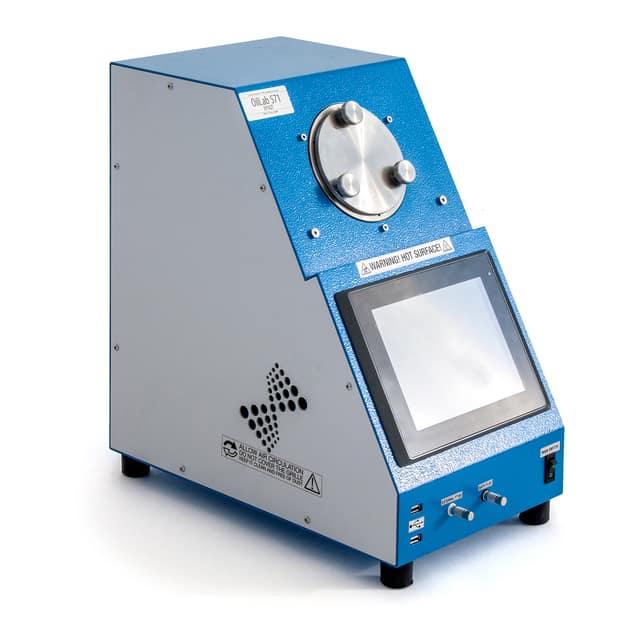
OilLab 571 Oxidation Stability of Steam Turbine Oils
ASTM D942 - Standard Test Method for Oxidation Stability of Lubricating Greases by the Oxygen Pressure Vessel Method. This test method determines resistance of lubricating greases to oxidation when stored statically in an oxygen atmosphere in a sealed system at an elevated temperature under conditions of test.
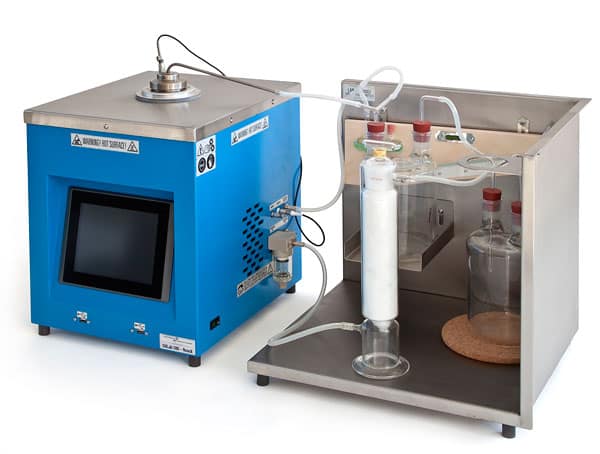
OilLab 580 - Noack
Determination of the evaporation loss of lubricating oils (particularly engine oils). Procedure A uses the Noack evaporative tester equipment. Procedure B uses the automated non-Woods metal Noack evaporative apparatus.
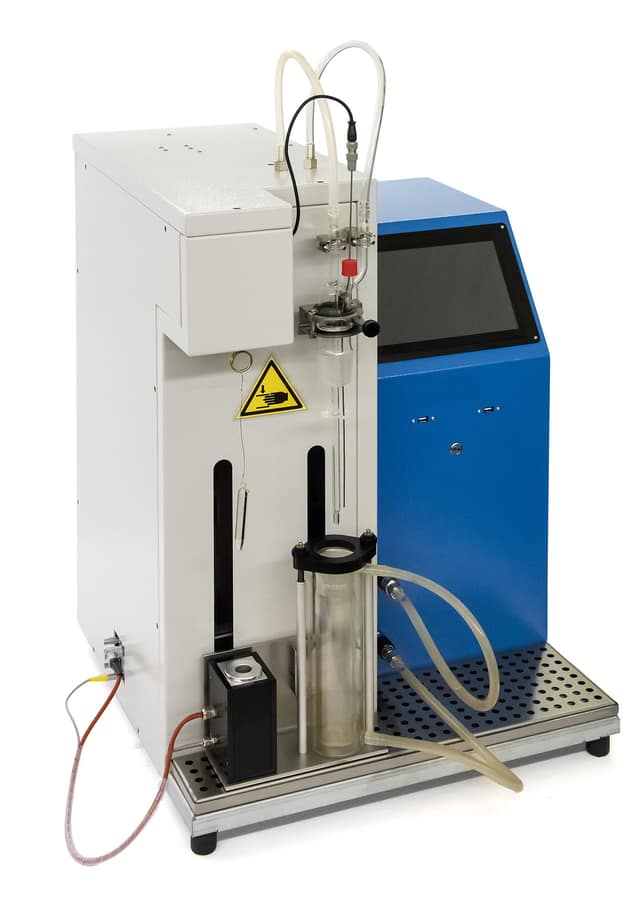
OilLab 590 - Air Release
Standard Test Method for Air Release Properties of Hydrocarbon Based Oils. This test methods cover the ability of turbine, hydraulic and lubricating oils to separate entrained air.
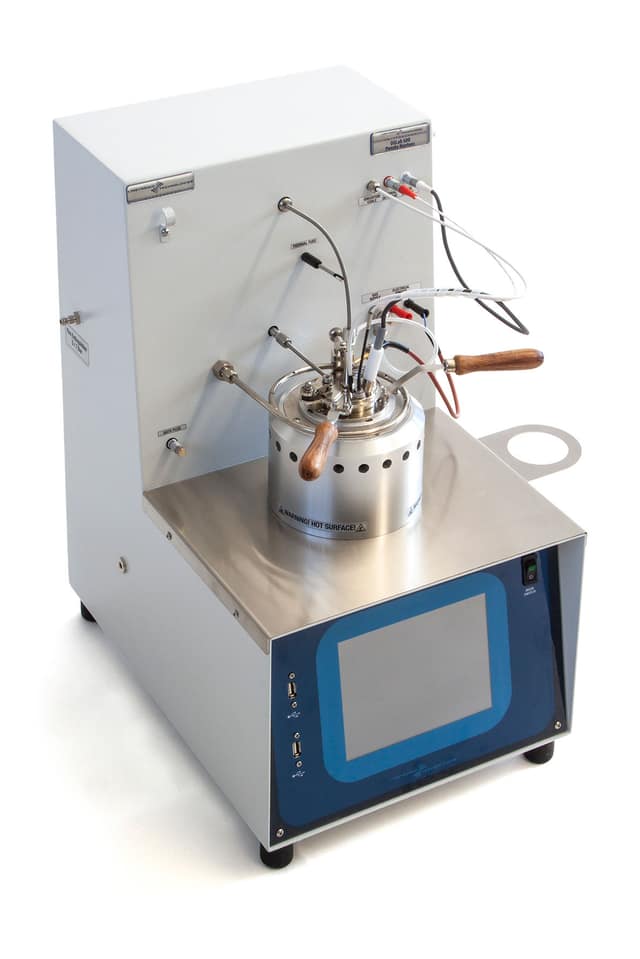
OilLab 600 - Pensky Martens
Flash Point on petroleum products, gas oils, fuel oils, lubrificants, biodiesel. Suitable for flash point detection on different substances, waste materials, solvents…
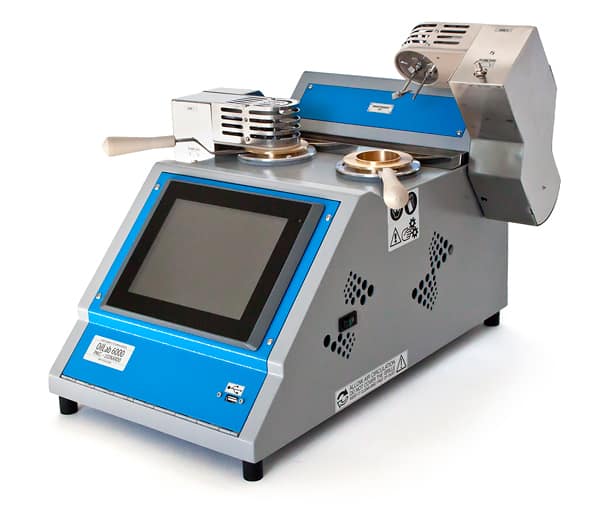
OilLab 6000 - Leonardo Pensky Martens
Flash Point on petroleum products, gas oils, fuel oils, lubrificants, biodiesel. Suitable for flash point detection on different substances, waste materials, solvents…
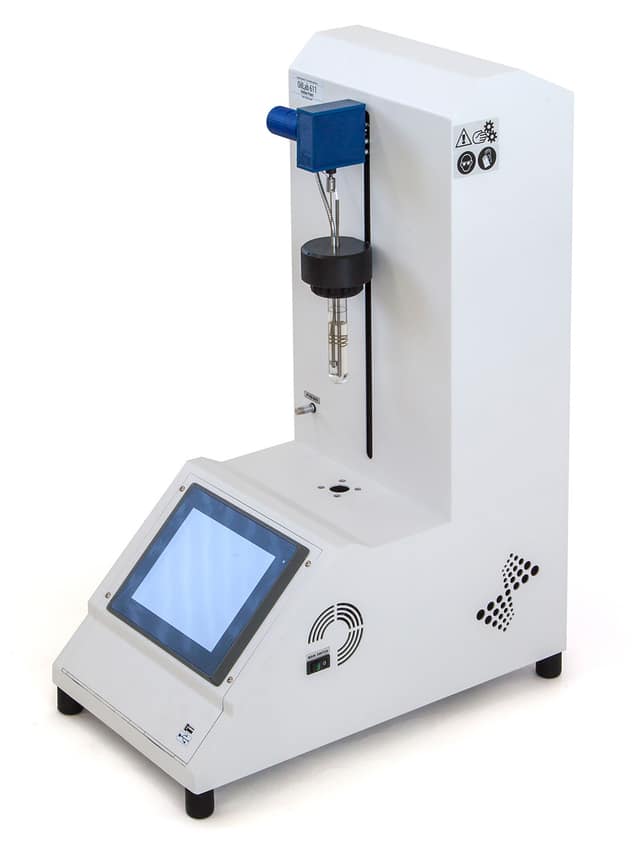
OilLab 611 - Aniline Point
OilLab 611 - Aniline Point
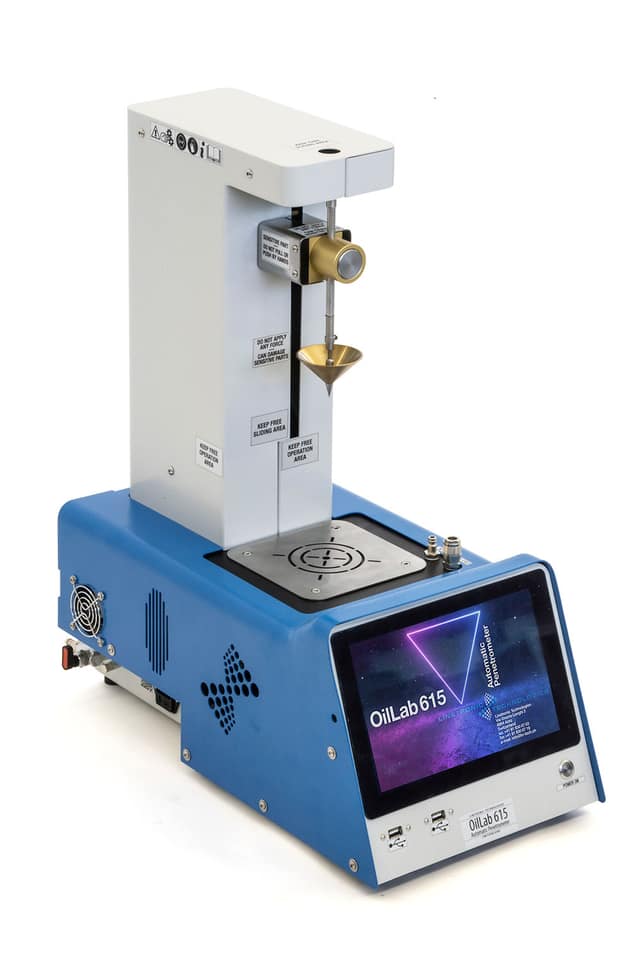
OilLab 615 Penetration
ASTM D5, IP 49, DIN 52010 Penetration of bituminous material. For determination of the penetration of semi-solid and solid bituminous materials.
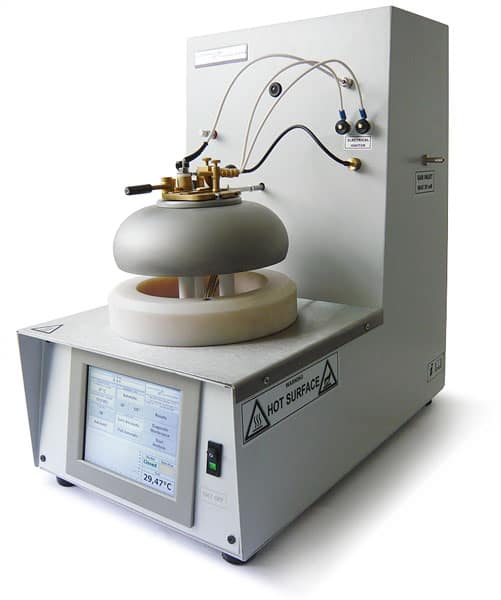
OilLab 620 RECC - Rapid Equilibrium Closed Cup
These test methods cover procedures for the determination of the flash point by a small scale closed tester. The procedures may be used to determine the actual flash point temperature of a sample or whether a product will or will not flash at a specified temperature (flash/no flash).
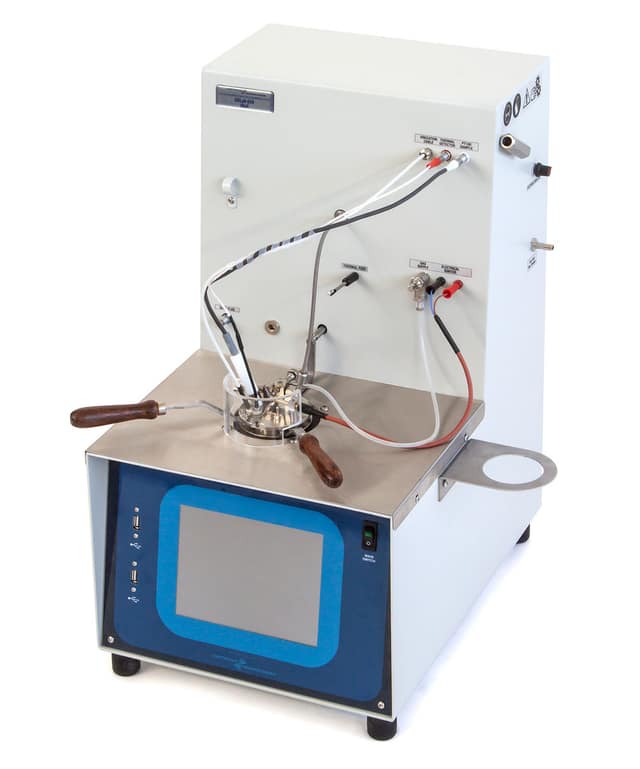
OilLab 650 - OilLab 650 Plus Abel
Flash point on petroleum products having a flash point between -18°C and 71°C (kerosene and solvents). Suitable for flash point detection on different substances and waste materials, solvents…
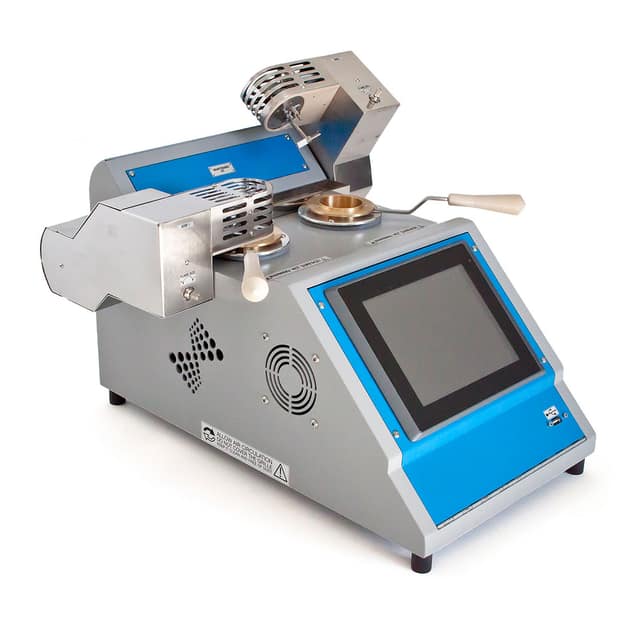
OilLab 6560 - Golleo Abel+Pensky
Subject Flash point on petroleum products having a flash point between -18°C and 71°C (kerosene and solvents). Suitable for flash point detection on different substances and waste materials, solvents…
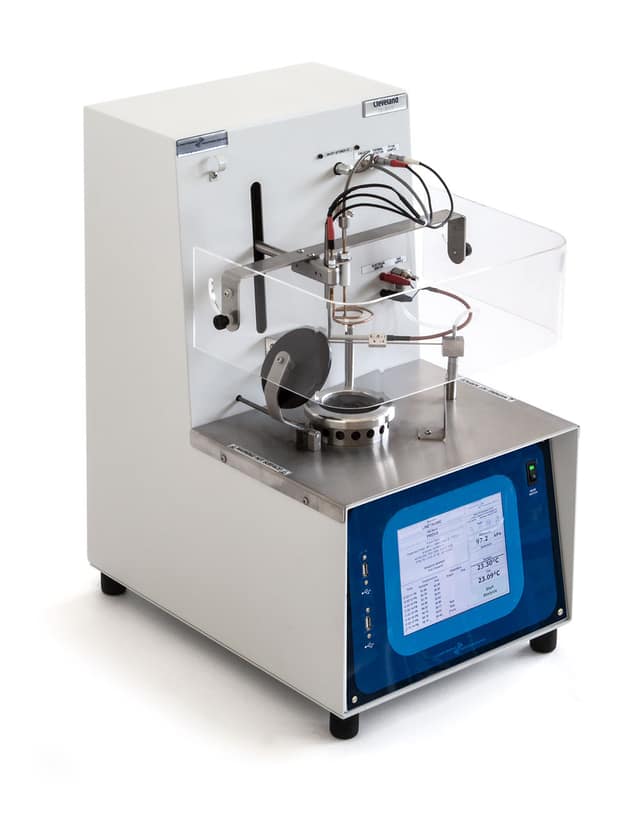
OilLab 670 - Cleveland
The Flash Point detection system, which is composed by a ring sensor for the ionization’s determination, constitutes the essential component granting high repeatability and excellent results. Furthermore, a sensor detects the presence of the flame for fire point determination. The device are mounted on a mechanical arm with automatic positioning during analysis.
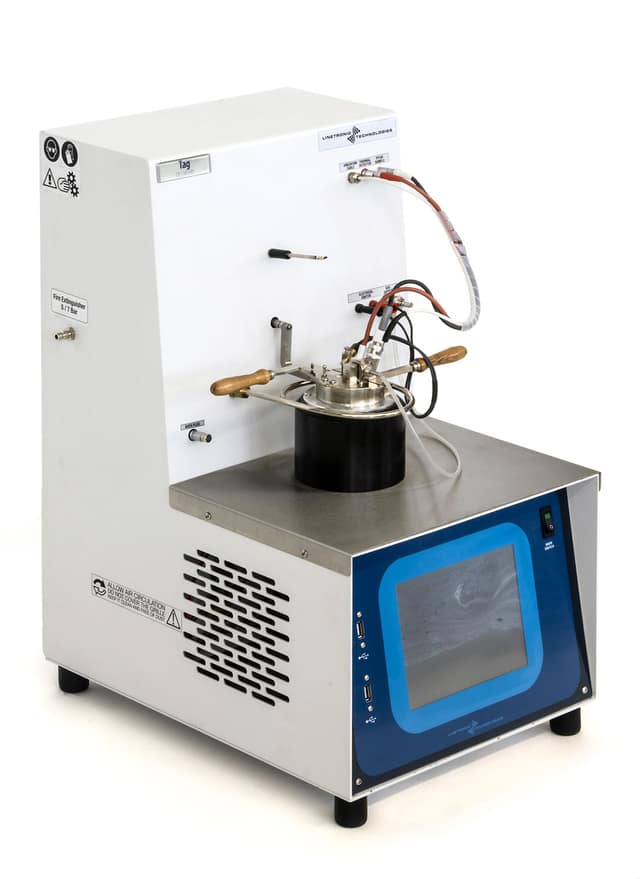
OilLab 690 - Tag
Flash point on petroleum products having a flash point between ambient temperature and +93°C. Suitable for flash point detection on different substances and (NO) waste materials, solvents…
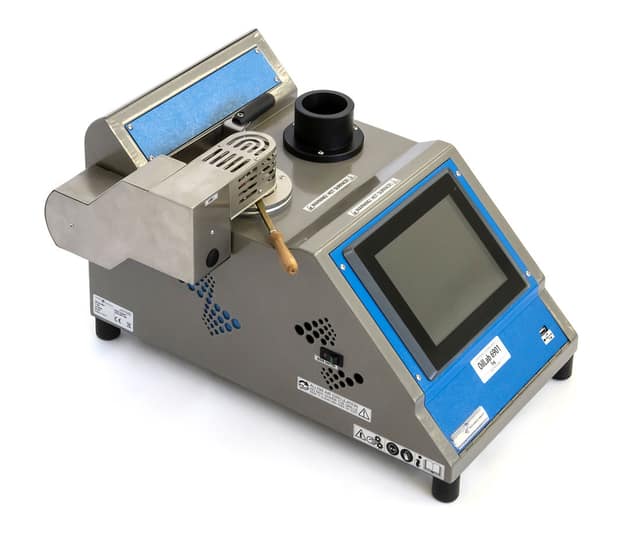
OilLab 6901 - Tag
Subject Flash point on petroleum products having a flash point between ambient temperature and +93°C. Suitable for flash point detection on different substances and (NO) waste materials, solvents…
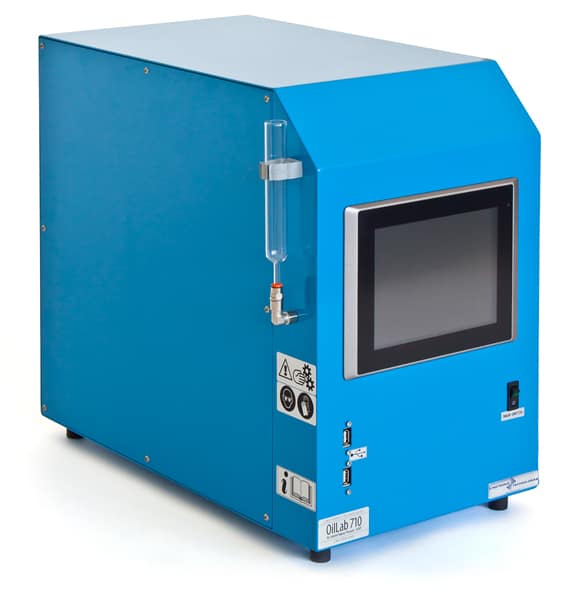
OilLab 710 ASVP - Air Satured Vapour Pressure
Automatic analyser for determination of Air Satured Vapour Pressure - DVPE
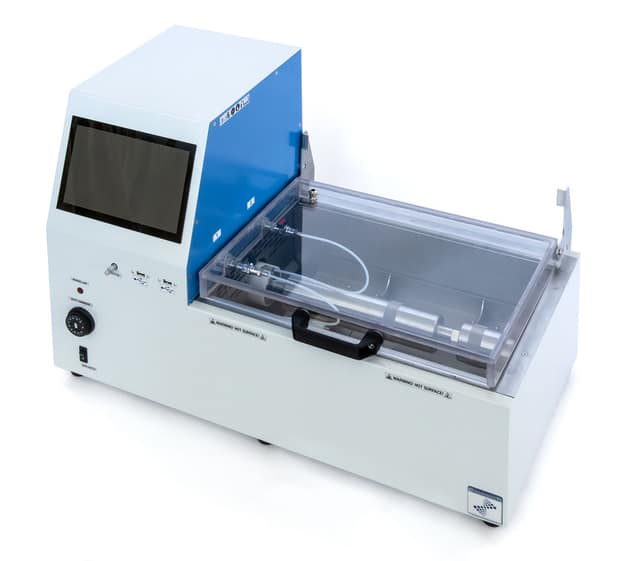
OilLab 715 Reid Vapour Pressure
ASTM D323 - IP 69 - ISO 3007 Vapour Pressure of Petroleum Products (Reid Method) The test method covers the determination of vapour pressure of gasoline, volatile crude oil, by means of three procedures: A, B and C. The OilLab 715 grant the determination in conformity with the procedure B (horizontal bath) on petroleum products having Reid Vapour Pressures below 180 kPa (26 psi).
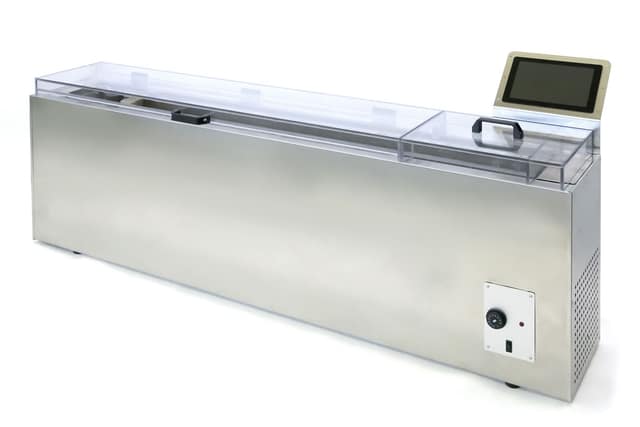
OilLab 730 Ductilometer
Ductility of Bituminous Materials. The ductility of a bituminous material is measured by the distance to which it will elongate before breaking when two ends of a briquet specimen of the material are pulled apart at a specified speed and at a specified temperature. Unless otherwise specified, the test shall be made at a temperature of 77 0.9°F (25 0.5°C) and with a speed of 5 cm/min 5.0%. At other temperatures the speed should be specified.
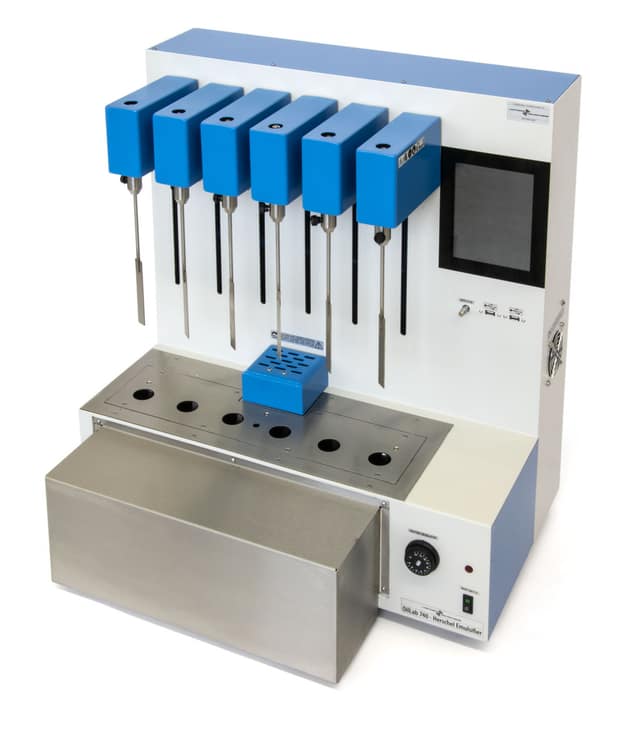
OilLab 740 Herschel Emulsifying
Water Separability of Petroleum Oils and Synthetic Fluids. This test method covers measurement of the ability of petroleum oils or synthetic fluids to separate from water.
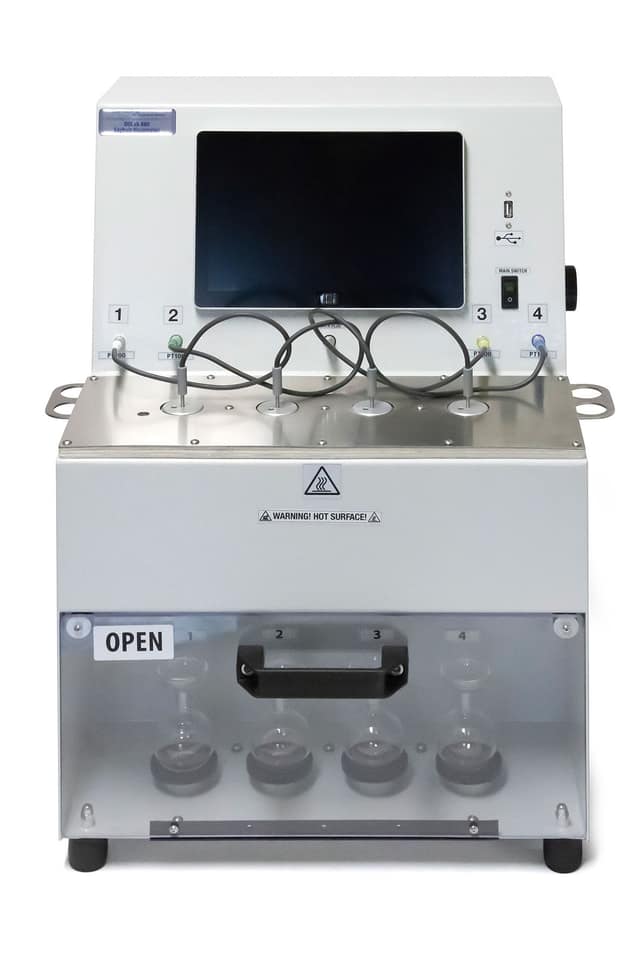
OilLab 880/S Saybolt Viscometer
ASTM D88 Saybolt Viscosity Determination of the Saybolt Universal or Saybolt Furol viscosities of petroleum products at specified temperatures between 21 and 99°C.
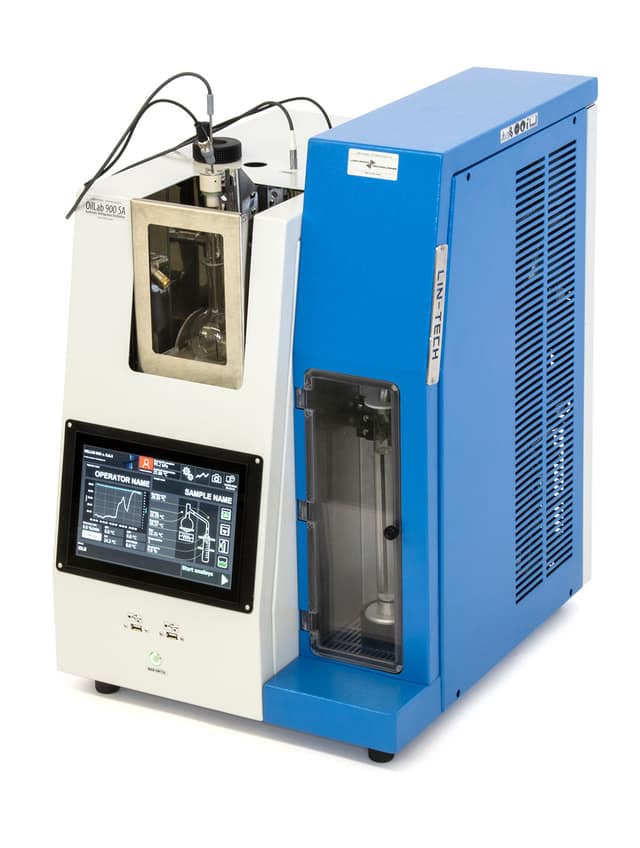
OilLab 900 Automatic Refrigerated Distillation Unit Analyser Stand Alone
ASTM D216 (obs.), ASTM D447 (obs.) - Distillation Test Method.
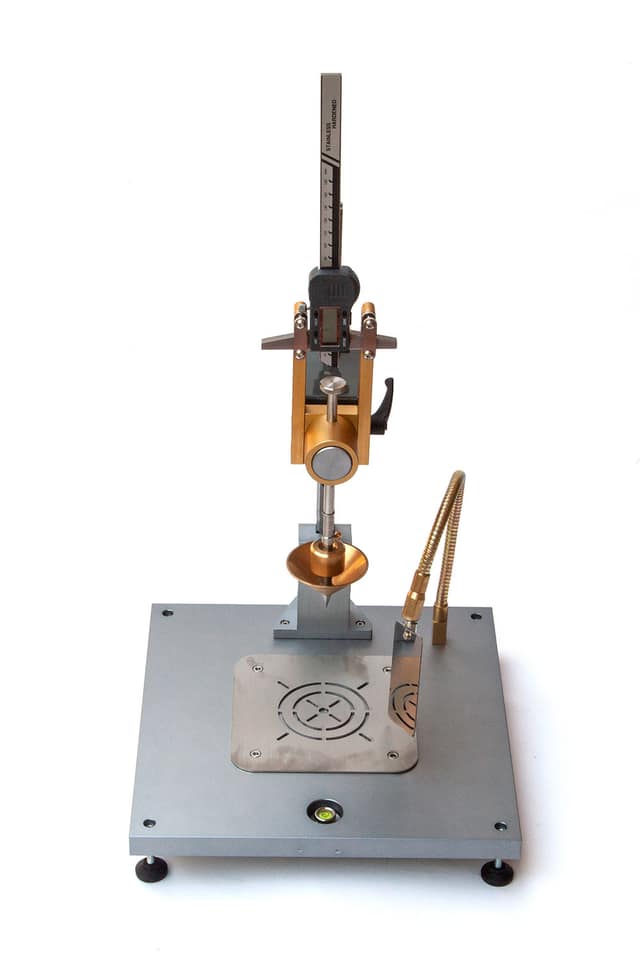
Penetration of Bituminous Material, Grease, Petrolatum, Waxes, Gel
Additional Instruments Aniline Bitumen Blends Calorimetry Centrifuge Cold Behaviours Colourimetry Corrosion Demulsibility and Foaming Densimetry Distillation Flash Point Gum - Rubber Hydrometers LPG Lubricating Greases and Oils Oxidation Penetration Residues Rust Sediments Sulfur Thermometers Vapour Pressure Viscosimetry Water Wax